Expert garden bloggers share their favorite shrubs
When I first started creating the garden at our house, my first garden as before I just had a balcony to put containers on, I ran out and got every perennial I thought looked interesting. Of course I've learned so much since then and the beautiful thing about gardening is that you can correct your mistakes. One of the most valuable things I've learned is the beauty of a mixed border combining perennials, shrubs, annuals and even, occasionally, trees.
Shrubs are so key to good garden design because they offer structure and interest that you just can't get with perennials.
I love asking fellow gardeners what their favorite plants are. Last year I asked some great garden bloggers about perennials, but this year I tried to pin them down on shrubs. Here's what they had to say.
 Kylee writes the excellent blog Our Little Acre and gardens in northwest Ohio. She has a handful of garden cats who hang around, chickens and an adorable new granddaughter. And in April, the book she co-authored with another fantastic garden blogger, Jenny Peterson, will be published. Indoor Plant Decor is going to be the bible of indoor gardening.
Here's what Kylee picked (see what a good job I did nailing her down to one? I'm such a pushover):

 Anyone who has read this blog for long knows that I love Genevieve's blog North Coast Gardening. Even though she gardens in a very different part of the country from me, she always manages to speak to gardeners in any zone and she is always my go-to source for gardening product reviews.
Here's Gen's pick:


•••••••••••••••••••••••••••••••••••••••••••••••••••••••••••••••
Hydrangea paniculata 'Limelight' is hardly flashy anymore in these days of super-improved shrubs but to me, one of the best things about shrubs is that they are often the lowest maintenance plants in the yard. That's important to me.
I have some special plants and I'm happy to give them extra care but there just isn't time for a garden full of diva plants. Some of them just have to manage more or less on their own. And that's just what Limelight does. I prune it in very early spring or late winter every year (some years more than others), I sometimes throw some compost or organic fertilizer at the base of it (but sometimes not) and I make sure it gets a good amount of water (I have a soaker hose in that garden that I circle the root zone with). And that's it. It's hardy to zone 3 (Siberia?) and heat tolerate to zone 9. The only thing to know about it is that while hydrangeas have the (often wrong, at least in northern zones) reputation for liking shade or part shade, Limelight wants sun, at least up here (I would assume it would take a bit more shade the farther south you are). Given those few things, Limelight offers up huge lime-tinged blossoms that fade to pink and then dry to brown, where they are a welcome sight in the winter garden.

Shrubs are so key to good garden design because they offer structure and interest that you just can't get with perennials.
I love asking fellow gardeners what their favorite plants are. Last year I asked some great garden bloggers about perennials, but this year I tried to pin them down on shrubs. Here's what they had to say.

Here's what Kylee picked (see what a good job I did nailing her down to one? I'm such a pushover):
Just like last year, I've had a difficult time paring my favorite down to just one. Erin wants to know my favorite shrub and I just couldn't come up with just one! So, I narrowed it to these three:
 |
| Proven Winners photo |
- Physocarpus opulifolius 'Coppertina' - I wanted this from the moment I first heard about it, but had to be patient, because I didn't find it locally until a few years ago. It was every bit worth the wait! Its foliage color is beautiful when mature, stunning when new, and it always looks good, you know? It's hardy in Zones 3-8 and it's not picky about soil pH.
 |
| Monrovia photo |
- Fothergilla 'Mt. Airy' - When spring comes, it shows up with bottlebrush white blooms that remain while its corrugated green foliage finishes leafing out. Then in fall, it turns an absolutely thrilling shade of orange. When the sun hits it then, it fairly glows. This shrub was discovered here in my home state of Ohio by the great Dr. Michael Dirr, whom I had the opportunity to meet last month! Oddly enough, it likes acidic soil and we have alkaline, but it does just fine for me. (Rhodies, azaleas, and blueberries don't do well here, as a rule, since they too, like acidic soils.) Hardy in Zones 5-8.

- Magnolia x loebneri 'Leonard Messel' - Though it's pretty nondescript for most of the year and can be susceptible to powdery mildew, I would still be sad if anything happened to it. What it does in spring makes up for all the rest of the season. Its blooms are the most heartbreaking shade of pearly pink and the centers are real works of art if you look closely. In time, it will grow quite large, unless you keep it pruned so it can remain a large shrub. Ours is currently very much in shrub form. It likes a fair amount of water, so we planted it in the wettest part of the yard and it seems happy there. It's very showy when blooming and is hardy in Zones 5-9, as well as being deer-resistant.
•••••••••••••••••••••••••••••••••••••••••••••••••••••••••••••••

Here's Gen's pick:
 |
| Photo courtesy of Genevieve Schmidt |
Parrot's beak, or Clianthus puniceus, has been making my heart flutter for the last few years. I mean, just look at those blooms! They're a solid 2-3 inches long, come in large clusters, and you can choose from the regular coral or go for red (pictured) or white varieties.
A lot of plants with such splashy flowers have lackluster foliage or a rangy habit, but parrot's beak shines here, too. The leaves have a lush, fern-like appearance that fits in around water features, tropical-style plantings, or really, nearly anything. And while it makes a great stand-alone shrub, it's also a natural to espalier. I have one growing against my chicken coop that only sticks out about 2 feet, and I don't need to prune it much - just a little pinching to direct the growth. They'll grow about 5 feet tall and around if left to their own devices.
Obviously, since they're from New Zealand they need full sun, good drainage, and not too cold of a climate - they're happy in zones 8-11.
•••••••••••••••••••••••••••••••••••••••••••••••••••••••••••••••

Debbie is an expert garden designer and garden coach (which is so cool) in Connecticut's zone 6. She is also a member of the Garden Designer's Roundtable, which is an incredible source of inspiration and information. She blogs at a Garden of Possibilities.
Here's Debbie's beautiful pick:

 |
| Photos courtesy of Debbie Roberts |
While it's impossible to pick just one favorite shrub, I have to say purple beautyberry (Callicarpa dichotoma) is right at the top of my list of favorite shrubs. Even though it does have an interesting shape with its almost horizontal branches, for most of the year it's fairly quiet and unassuming. But in the fall, when many other shrubs and perennials are looking a bit tired, purple beautyberry puts on an amazing show. Small purple berries drip from the branches. The shrub seems to glows in the sunlight. Here in my Connecticut garden, the berries remain on the shrub after the leaves fall off so it's not unusual to find the little purple berries dusted with snow in the winter.
Purple beautyberry likes a spot in full sun to partial shade and average garden soil and it seems to be deer resistant, at least in my garden (knock on wood!)
•••••••••••••••••••••••••••••••••••••••••••••••••••••••••••••••

Christina Salwitz is a home gardening training specialist. That's a lot of words to say that she doesn't garden FOR people, she teaches them to garden, which seems so appropriate for an activity that derives so much of its enjoyment in doing it, not just appreciating it. She gardens in Washington state and blogs at The Personal Garden Coach where she posts amazing photos that will have you clambering to get into the garden, tips and tricks, book reviews and more. She is also the co-author of the new book Fine Foliage, which celebrates the beauty of foliage over flowers. You should see some of the amazing foliage combinations presented in the book. It's stunning. She is also a member of the Garden Designer's Roundtable.
And because with a book hot off the presses and a booming coaching business she's a busy lady, so Christina cut right to the chase:

My favorite “lately” has been the Bountiful Blue Blueberry. It has SUCH amazing foliage color, evergreen, turns a lovely soft plum tone in winter, AND an incredible amount of great fruit. What’s not to love?!
 Steve Asbell is an incredibly talented gardener, blogger and artist who is lucky enough to garden in Florida (at least I'd consider him very lucky at this time of year). His blog, The Rainforest Garden, is about "taking a healthy dash of botanical style and incorporating it into your life through decorating, crafting, cooking and yes, even gardening." His illustrations are not to be missed. He also has a book coming out in early 2014. Plant by Numbers has tips and recipes for creating a carefree indoor garden with 50 artistic living arrangements with houseplants, ranging from tried and true Dracaenas to up-and-comers like mistletoe cactus and bromeliads.
Steve is writing about one of my favorite tropical shrubs:
Dwarf Bottlebrush (Callistemon viminalis ‘Little John’)
•••••••••••••••••••••••••••••••••••••••••••••••••••••••••••••••

Steve is writing about one of my favorite tropical shrubs:
 |
| Photo provided by Steve Asbell |
For those of you growing in zones 9-11, dwarf bottlebrush has everything you could possibly ask for in a shrub. First of all, it’s one of those rare bushes that stays small without much maintenance, with tight whorls of velvety blue-green leaves that stay attractive throughout the year. Most folks however, grow it for the fire-engine red ‘bottlebrush’ flowers that glow in the sunlight and bring hummingbirds in droves. All of these great features are reason enough to grow the plant, but the reason it gets my vote is that it is incredibly drought tolerant and thrives in the hottest and driest spots in my garden. If you live in zone 8 you can grow dwarf bottlebrush with protection, or just grow the larger varieties since the cold will keep them in check. In northern zones, dwarf bottlebrush’s small size and admirable drought tolerance makes it a winner for container plantings.
 Linda from Each Little World is a great blog friend whose garden isn't all that far from mine, but I still haven't seen yet. She is blogging less frequently than she once did but every post is insightful and interesting. I'm crossing my fingers that we'll see more of her garden as spring approaches, especially because big changes are in the works in her garden: a large tree that was the foundation of one of her shady beds fell in an early winter storm so she'll be figuring out what is next for that part of the garden. Her photos, often taken by her talented husband (and gardening conspirator) Mark, are stunning and look like they've been lifted from the pages of a lovely gardening book.
Here's Linda's pick:
If it were May or June, then I'm sure I'd declare Doublefile Viburnum my favorite shrub. It's definitely a show-stopper and is always the center of attention when it blooms. But shrubs in the winter garden need to stand-out in a different way than summer plants. At this season, Alpine currant (Ribes alpinum) makes a much needed statement. I grow both the straight species and the dwarf variety ('Green Mound').
They take well to pruning, creating strong horizontal lines in the garden: green in summer; almost black in winter. Some years, they make a strong presence in the winter garden; other times only the top of the hedge peeks out of the deep snow. Because they become so densely twiggy they have not been broken like so many other garden specimens during the heavy snowstorms we've had in recent years. It's a shrub that's well-worth a second look, and it's usually readily available at most nurseries.
•••••••••••••••••••••••••••••••••••••••••••••••••••••••••••••••

Here's Linda's pick:
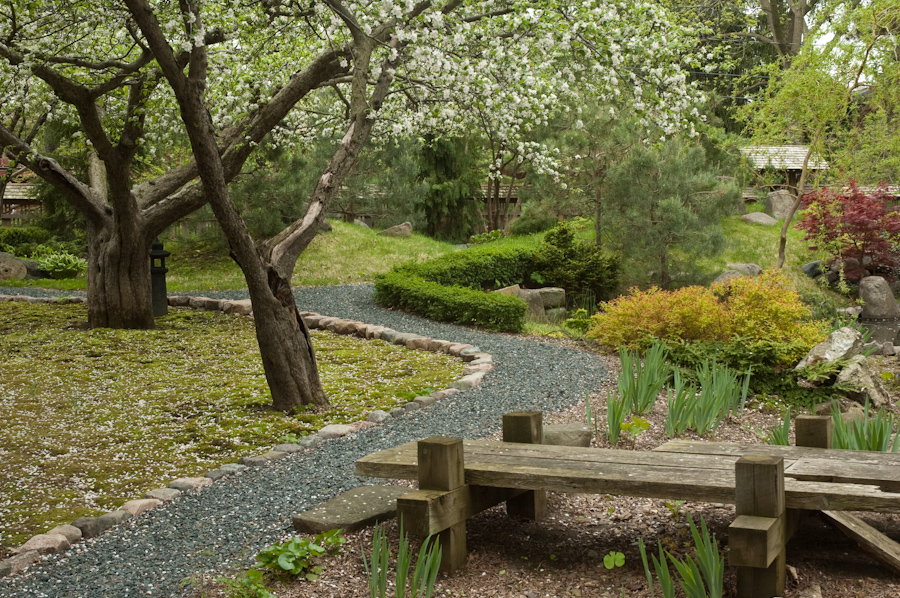 |
| Dwarf Alpine current makes a long, low hedge curving away from the nearby apple trees in Linda's garden. Mark Golbach photo |
They take well to pruning, creating strong horizontal lines in the garden: green in summer; almost black in winter. Some years, they make a strong presence in the winter garden; other times only the top of the hedge peeks out of the deep snow. Because they become so densely twiggy they have not been broken like so many other garden specimens during the heavy snowstorms we've had in recent years. It's a shrub that's well-worth a second look, and it's usually readily available at most nurseries.
•••••••••••••••••••••••••••••••••••••••••••••••••••••••••••••••
Erin here: I'm overwhelmed by all the great shrubs that garden bloggers love. Some I've never heard of and others I had written off but now I'm anxious to try (Fothergilla and Alpine current, I'm looking at you). But I thought it was only fair to share my favorite shrub, which I know will come as no surprise to regular readers.
 |
| Plant touchers unite! |
I have some special plants and I'm happy to give them extra care but there just isn't time for a garden full of diva plants. Some of them just have to manage more or less on their own. And that's just what Limelight does. I prune it in very early spring or late winter every year (some years more than others), I sometimes throw some compost or organic fertilizer at the base of it (but sometimes not) and I make sure it gets a good amount of water (I have a soaker hose in that garden that I circle the root zone with). And that's it. It's hardy to zone 3 (Siberia?) and heat tolerate to zone 9. The only thing to know about it is that while hydrangeas have the (often wrong, at least in northern zones) reputation for liking shade or part shade, Limelight wants sun, at least up here (I would assume it would take a bit more shade the farther south you are). Given those few things, Limelight offers up huge lime-tinged blossoms that fade to pink and then dry to brown, where they are a welcome sight in the winter garden.

Thank you to all the great garden bloggers who participated! Now, onto the important part: What is your favorite shrub?
Labels: blogs, Great blogs, great plants, hydrangeas, shrubs
posted by Erin @ The Impatient Gardener at
2:38 PM
10 Comments