The Impatient Gardener

02 November 2017

VEGGIE GARDEN GOALS

You might have noticed that I didn't write much about the vegetable garden this year. That's not because I didn't grow vegetables, but it wasn't my best year in the vegetable garden.

It's been my pattern to really let a garden slip after I've developed a plan in my head for how I'm going to change it. The most recent example of this was the circle garden, which looked like utter garbage for at least two years before I ripped it all out last fall and redesigned it.

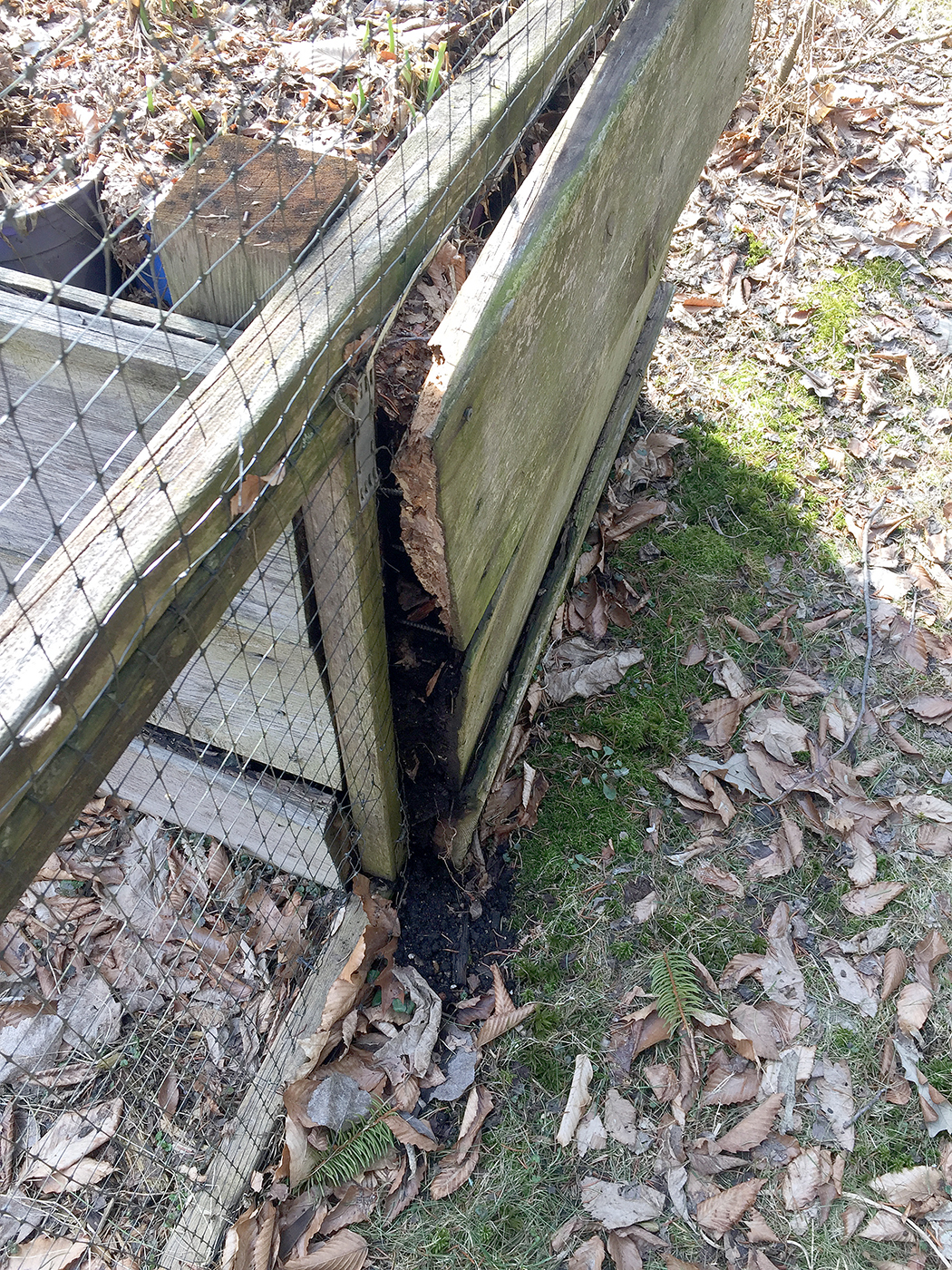
As you can see, the vegetable garden is still a mess. That's the state it's been in most of the summer. But plans are in the works for this area. 

The vegetable garden has been on my mind for a few years now and I've been gathering inspiration on every garden tour I've been on and all over the Internet. And here's my conclusion: I want a vegetable garden that is as beautiful as it is practical. Veggie gardens do not have to be particularly pleasing to the eye, and one might argue that the most productive vegetable gardens are anything but. But I crave that perfect balance of producing food in the midst of a gorgeous garden.

I know my dream is perhaps a little unrealistic, especially for a gardener who has never been good about perfect spacing and daily maintenance in a vegetable garden. But if I aim for veggie garden utopia, I imagine I can land somewhere around "really pretty garden."

I was hoping to share this idea with you when it was either in the works or very close to it. I was also hoping to plant garlic this fall in the first stage of a new vegetable garden. None of that happened because sometimes that's how life goes.

The primary holdup has been a couple of enormous spruces. These are some more trees on our property that have been scalped on one side by the power company and don't offer much in the way of screening or aesthetics. They are also blocking a lot of sun to the existing and future site of the vegetable garden. Right now I'm getting away with a part-sun vegetable garden. More sun than shade but by no means full sun. And I do OK in that situation, but we all know that most edibles appreciate a lot of sun and if I'm going to make the investment in an upgraded vegetable garden, I want what I plant there to grow well. In other words: Those trees have to go.


I've also come to the realization that I'm sick of being limited to growing only certain plants outside of the raised bed that has a fence incorporated in it. Some years I get away with it, but this year, for instance, the kale never stood a chance thanks to the pair of young deer with indiscriminate tastes. (Kale has never been an issue in the past until last in the season.)


For me, raised beds are the only way to for growing edibles. It's just that I need a lot more of them. Although I have enough space in my current vegetable garden setup to grow small quantities of several different edibles, I don't have the space to properly rotate crops like I would like, so I'm constantly fighting disease issues, particularly with tomatoes.


Here's a cocktail-hour sketch I made this summer of how I envision the new vegetable garden might look. And if you think I can find this piece of paper now, you are obviously a far more organized person than I am. 

So here's what the dream vegetable garden would look like, all encompassed within a fenced area:

  • A series of raised beds, preferably a minimum of 20 inches tall, that would allow for easy crop rotation from year to year. 
  • A handful (possibly four) of smaller raised beds for cutting flowers that would add color as well as attract pollinators, not to mention provide fresh cut flowers all season.
  • Skinny fruit gardens on the east and west sides of the garden to plant espalier fruit and smaller berries.
  • Brick pathways. 
  • Gravel in between beds and everywhere there isn't brick, so there is no need to mow grass in this area.
  • A small arbor at the entrance over which to grow climbing roses or another flowering vine.
  • A Belgian fence along the back (south) "wall" of the fence.
  • A back door in the fence that would allow easy access to the compost bin just out the back of the garden.
  • A small seating area, either a bench or a little bistro table with a couple chairs. I know better than to think that I'll be lounging there much, but it would be a shame not to have a seat to sit back and enjoy it for a little bit. 
  • A center focal point. My favorite idea right now is a small, containerized water garden.
Earlier this summer, this WAS the plan. Then I did the math and it didn't really work out in my favor. So it seems likely that this is a project that is going to have to be developed in stages. Brick paths, gravel and espalier trees can wait, even if it makes me sad. The immediate need is level ground, raised beds filled with soil and a fence. 

I was hoping by now that some of that would have been accomplished, but it seems this has fully turned into a spring project at this point. But goals are good, right?


Labels: ,

20 March 2017

SPRING: A TIME TO TAKE STOCK OF GARDEN PROJECTS TO COME

Happy spring!

In preparation for the first day of spring, we spent some time over the weekend walking through our still partially snow covered yard taking an assessment of what needs doing this year.

The creek that runs under this little bridge and it's twin a bit farther east  ranges from a trickle to a gully washer  at various times during the year.
At the top of the list is replacing the bridges Mr. Much More Patient built over the creek the year we bought the house 15 years ago. He used cedar for the boards but they seem to have fared no better than the pressure treated structural timbers over the year. The whole enchilada is rotting. I don't think we can complain as they've lasted a decade and a half and it will be a good excuse to make them a little wider. Not only does my two-wheel wheelbarrow barely fit on it (and it has careened off the side on more than one occasion), but there is a very small chance we may have a garden tour at the house next year and I'd like the bridges to be a touch wider for guests just in case.

The boards on top just lift up and you can see that there's rot in the structural bits too.

I also took the time to make a few notes about areas of the garden that I'd like to do some rearranging in, particularly in the sunny part of the garden north of the house. This has been the default garden for things I'm dividing or don't know where to plant, but I'm feeling the need to do a little fixing up in that area.

While walking to that garden we looked up and noticed the the chimney has mortar falling out all over the place again. We love that chimney but it has serious issues. We've had two people out over the  years to fix it. The first one was OK but sloppy. The second one, I think, actually lied about even going up there to do anything. So now we find ourselves having to find a mason and I'd like to get that done sooner rather than later because they always trash the garden.

If you look closely, you can see that the beds are bulging pretty badly. When we built it we sunk eight 4x4 cedar posts in the ground so we thought it would maintain its shape, but that's not been the case. In retrospect we should have added strapping to keep the beds from bulging. You can see the metal brackets on the front corner that are temporary measures to hold it together this year.
The bridges aren't the only thing rotting in our yard. The main raised bed garden is completely falling apart. We knew this would happen. We built it using cedar posts and untreated pine. In its eighth year, the pine boards are bowing terribly and rotting everywhere. The ones on the north end have crumbled. What we didn't expect was that the cedar 4x4 posts have also rotted. Is cedar not like cedar used to be? It seems like it's failing quickly.

The north side of the garden is in the worst shape. Not only are the boards rotten, but the posts they are screwed in to are as well. 

The solution is a patch job. We've bought some corner brackets to hold it together and we'll have to replace the boards on the north end with something. Even scrap wood would be OK. Mr. Much More Patient has some plan to get the screws to bite into the rotten posts.

The reason we're not doing a proper fix is that I'm very excited to report that the plan is for a complete redo of the veggie area next year. The dream of a potager is one I've been trying to shake for a few years but it just won't go away. So my plan is a new set of raised beds, room on the edges for growing fruit, a large fence around the entire thing and a small seating area to soak up the sun in the center. On the rough sketch I have there is also a faint dotted line on the back of the fenced-in area that says "Future greenhouse." I should be so lucky, but it doesn't hurt to have a plan just in case.

This is also the time of year when I make notes for future plantings. I stuck a few sticks here and there around the garden to represent possible locations for trees, which helps me visualize the location from various spots inside, as well as judge the amount of sunlight an area gets throughout the day, something I'm generally terrible at (optimism make me see sun that's sometimes not there).

These are difficult days for a gardener. There is a lot of pent-up desire to garden but no ability to do so. This kind of planning helps. In fact, maybe gardening is like proms and parties in that sometimes the anticipation is even better than the main event. 

Labels: , , ,

18 August 2016

IT'S FRESH VEGGIE TIME!

The poor vegetable garden has gone mostly unnoticed on the blog this summer. That's a shame because at this time of year it really does provide an incredible abundance for us.

Part of my lack of excitement about is that I've been stewing over a plan to redo the entire vegetable garden area for a couple years now and that's really where my head is. By this time of year the veggie garden is never looking its best, but it's always doing its best.

As usual, my focus this year was on tomatoes. I can't help planting more than I should because I'm no sure it's possible for me to have too many tomatoes. I grew them from seed this year, some more successfully than others.

I see some ripe tomatoes I need to go in and harvest, not to mention cutting away all the blighted areas. Losing leaves now isn't a problem. The tomatoes will be ripen just fine.
As you can see, that area is suffering from a bit of neglect right now. The mosquitoes have gotten horrible, so I keep hoping I'll get home some day early enough to get in there and prune out all the bits that have succumbed to late blight (which always happens). Some plants have flopped, but they don't care. It's just not all that pretty.

As far as tomatoes go, the best producer so far this year is 'Oxheart Pink,' which we grew from seeds from the local seed library. They are relatively tasty but prolific so that makes them the current favorite in our house.

'Blueberries' cherry tomatoes are beautiful but don't eat them before they are really ripe.

'Barred Boar' is a beautiful tomato that is somewhat lacking taste for me. I was hoping it would be a bit sweeter although sometimes later fruits taste better. There's not been much production yet from any others as I'm still waiting for lots of green fruit to ripen. I will say that I'm growing 'Blueberries' cherry tomato for the first time this year and one of the things I read about it was that you have to wait for the entire tomato to turn purple before you eat it or it tastes terrible. That advice is completely correct.
'Mexican Midget' is doing great in a container on the full-sun patio. Elegant Feather in the background is growing behind it.

The star of the tomato show is not in the veggie garden proper, but rather in the container near the back door where I'm growing two 'Mexican Midget' tomatoes. These are lovely, small tomatoes that are the perfect size for munching on while passing by, which is exactly how I've consumed every one. Delicious little fruits that are a really nice size. I don't like big cherry tomatoes because they present a dilemma: bite them in half to take a proper amount but risk the dreaded cherry-tomato spray or stick the whole thing in your mouth and look like a complete pig trying to eat it.


I love me some beans, but they are sneaky buggers hiding under all those leaves.
The cucumbers and green (and yellow) beans are really coming into their own. I have to check what kind of cucumbers I decided to grow this year other than 'Marketmore.' I'm not happy with the size of them at all. I prefer cucumbers meant for pickling that you can eat when they are small and before they've developed a lot of seeds.

I'm just started to harvest beans, which are probably my favorite vegetable. These rarely make it back to the house until there are enough that I can't eat them all on the short walk.


I'm growing banana peppers for the first time this year and they've been going gangbusters. I've already pickled a few jars (I love them sliced on sandwiches). Basil is enjoying this warm, sunny summer as well.
Why am I growing so much kale? No one knows, but I see some of it is bolting.
The celeriac is going gangbusters. Yum.

Outside of the fenced-in veggie garden I'm growing entirely too much kale (what was I thinking?) and the celeriac, which I first grew last year, is doing great. I'm a fan of that one and it's difficult to find in stores or even at the farmer's market.

How's your edible haul this year?

You gotta love zucchini. I feel like it's the most optimistic vegetable.

Labels: , ,

25 May 2016

WHAT THE FOX DRAGGED IN (AND OTHER GARDENING TALES)

Gardening is happening, people. That's the main reason for my absence so far this week. We've had amazing weather recently, but no mosquitos, so I've been gardening pretty much any time I'm not at work or sleeping and it's still light out. And I've been taking hardly any pictures. That's the problem when you really get in the zone: There is no time for picture taking or coming up with blog post ideas in your head.

The Lemony Lace elderberry was looking just perfect in the evening after a rain shower. I can't say enough about this great plant that has such amazing texture and color.
Despite all the time I've spent in the garden recently, it still looks pretty shabby. The weeds are flourishing and I'm trying not to add mulch this year (it's an expense I'd like to avoid if possible this year) so it's a constant fight right now. I did get the bed on the north side of the house divided in two with a mulch path and I'll show you that once I get it planted up a bit more. I'm happy with that change.


The 'Ann' magnolia I planted last year is blooming and looking lovely. I have 'Bluebird' clematis growing up it and frankly, it's a bit overwhelming for poor young 'Ann' so it will get a pretty aggressive pruning after it finishes flowering. It will be just fine with a bit of a chop although I'll sacrifice some flowers for next year. 
The annual garlic mustard weed nonsense continues. I've done pretty good staying on top of it this year, but white flowers (which means seeds) are starting to pop up on the perimeter of the property and I always feel bad about "sharing" that with my neighbors so I need to get out there and take care of that.

I've planted very few things so far because I'm waiting for the soil to warm up just a bit more before I start plunking annuals in the ground. Most are hardening off now and I hope to tackle some of that project over the long holiday weekend.

It's still too early to plant tomatoes here, but I did get some kale, celeriac and parsley in the ground (in addition to the things I direct sowed several weeks ago). I'm trying to have pretty veggie gardens this year, so I'm trying to space things more appropriately and maintain lines vs. my habit of plunking stuff in wherever in the past. And that's why I noticed something strange in one of the raised beds last night. There was a mound of soil that I know wasn't there the day before. When I went to investigate, I found feathers sticking out.

(WARNING: Pictures of parts of birds follow)

Hmmm, I don't remember planting that.

Ew.

With hands fully gloved and tool in hand I started digging and I realized this thing was buried pretty deeply. It was big! I believe it was a chicken wing. The neighbors have (um ... had?) chickens so that makes some sense, but why in the world was it buried in my garden?


I did a little googling and apparently foxes are known to bury parts of their kill that they don't immediately consume to come back for later. There are at least a handful of foxes in our neighborhood (they are welcome residents because they keep a good handle on the rabbit and rodent population), so again, I'm guessing the culprit was a fox.

I didn't dig that hole.

I dispensed with the wing and smoothed my garden over last night. And then I came out this morning to find the celeriac a bit disturbed and a rather significant hole dug where the wing had been. Apparently whatever buried that wing did indeed come back looking for it. I so wish I had a trail camera to set up in the area. Now I wonder if he or she will be back again. I really hope this doesn't become a habit because gross, plus that's not going to be easy to grow veggies there.

That's the update from my garden. What's happening in yours? Isn't it fantastic to be consumed by gardening again?


Labels: , , , ,

02 June 2014

TOMATO WRANGLING GETS EXPERIMENTAL

Although it was not intentional, this has become a very experimental year in the vegetable garden. First I tried out the potato towers. The jury is still out on those as I'm seeing the first potato shoots coming out now. And it turns out that the "straw" that I bought (where they guaranteed it was straw and not hay and therefore no viable seeds) was a big, fat lie because I have hay seedlings popping up everywhere. I should stuck with the chopped up straw for lawns for the whole thing. Oh well, that's what you get in an experiment.

Then this weekend I planted the tomatoes at the house in a way I've never done before.

Since I grow all heirloom tomatoes, they tend to get huge. This year I'm going to try to keep a much tighter rein on them. That means being dutiful about pruning out the suckers (those aggressive shoots that pop up in the "armpit" between the main stem and a branch) and topping them at some point late in the summer to allow all the plant's energy to go into ripening the fruit that is already present instead of allowing it to make more tomatoes that will never have time to ripen.

As part of the first part of that plan, I'm trying a new method for staking them. I've tried many things over the years, and the most successful of them has been tomato ladders, but even those get to be a big mess by mid-summer. And if a branch goes awry, there's no bringing it back in.

So this year I'm going to grow them up a single string for each plant. The idea is that the string sort of winds around the main plant as it grows and you also tie it on where necessary.

With my new system of training tomatoes up a string, the tomato ladders are languishing in a corner of the garden. Never fear, they'll be put into good use out at the community garden plot.
To create a stable upper support, I screwed in two stainless steel screw eyes, one on each side of the top of the garden caging. Then I used a low-stretch line (in this case kevlar cording but there are many other things that would work; you just want to stay away from cotton cording or something that stretches a lot) between them and hung individual pieces of jute twine from the overhead line. The twine was a couple feet longer than necessary to accommodate tying it on top with a slip knot and having enough to tuck under the tomato plant. (*See the bottom of the post for my tip on how to get this overhead line really tight.)

If you don't have a garden setup where you could just connect a piece of line on an overhead-type structure, I've also see the same thing done with plumbing pipes, about 1-inch in diameter with just 90-degree elbows on the corners (imagine an upside-down U) and then sinking the legs deep in the garden to provide stability. Then you hang the twine from the upper pipe.

Making sure that the twine was hanging straight, I dug a hole like usual to plant the tomato plants. I always plant tomatoes plenty deep, having stripped off the bottom branches. Before I stuck them in the holes, I tucked the twine under the rootball, then filled in as usual. I made the twine taught, but not tight.
The twine gets tucked in under the root ball.

With a little tension on the twine, you can sort of wrap it around the stem, without disrupting branches.

Then I did another little experimental type thing. I planted empty nursery pots, just 4-inch round ones that annuals come in, next to each plant. The idea is that I will water into those pots, delivering the water to the root zone of each plant without splashing up soil (and potential disease) onto the leaves.

I have no idea how any of this will go. But you know I'll tell you all about it.

* HOW TO GET A LINE REALLY TIGHT
It's important for that overhead line to be tight to keep some tension on the twine (this is not a factor if you're using a solid setup such as the aforementioned plumbing pipes), but it's hard to pull a line tight between two points. Here's how you can get it nice and tight (by the way this works great for clotheslines and any number of other applications).

Tie a bowline into the screw eye on one end (or just tie a bowline around whatever you're tying into). Don't know how to tie a bowline? Well you can watch my really uncomfortable video on how to do it here.


Pull your line to the other end and get a rough feeling for where it will be going through the screw eye on that end. Then tie a small bowline about a foot back from the screw eye in the main body of the line.


With your bowline tied, pull the end through the screw eye and then back through the bowline and pull against it. You'll be amazed at how much purchase you get on it. One you have it as tight as you want it. Hold your left thumb over the spot where the line comes out of the bowline and then just do a couple half hitches with the end of the line (take the tail of the line around the body of the line, wrap it once and pull it through the loop you just made and pull tight; then repeat).

Labels: , ,

09 April 2014

COMBATING COLD WITH INDOOR SEED STARTING

I know that it is high time to stop complaining about how bad winter was, but those of us who experienced it will be dealing with its aftermath for some time. In my area, where Lake Michigan reached an absurd 93% ice coverage this winter (for the first time since the 1970s), the water is going to be cold most of the summer.

And that means my garden, which is about 500 feet from Lake Michigan, will be plenty cold too. I wonder if there will be a ripe tomato before late September.

So this year I'm taking extraordinary measures to combat the lingering cold weather. In addition to tenting all my raised vegetable gardens with plastic to warm the soil, for the first time ever, I'm starting some things inside. 

I'm embarrassed to say that I'm not much of a seed grower. I find it a little intimidating. You have to time it correctly, keep those little babies alive, harden them off and then hope they take to their new homes. Rather than mess with all that, I've always just bought plants for the vegetables I didn't need many of (tomatoes and zucchini) and direct sowed seeds in the garden for the other things. For the most part, this has worked out quite well.

But this year I'm afraid that if I wait until it's warm enough to direct sow seeds, there won't be enough growing time left to get any production out of my plants. If I can transplant things started from seed indoors at the same time I would have sowed seeds, I'll be weeks ahead of the game. 

So I ordered a grow light (there's no way I can provide enough natural light to grow seeds inside without one), dragged out the heat mat I bought years ago for growing amaryllis in pots for Christmas gifts, and started sowing.

Seed starting

Seed starting
The future garden grows in a window with the help of a grow light. The spray bottle is full of composted manure tea, which is all I'm watering the seedlings with.

So far, I've sowed evergreen bunching onions, a variety of kale, basil and vining nasturtiums. I intend to plant seeds as well as the transplants of the onions and kale to extend the harvest. This is the first time I've grown basil from seeds, but I've had limited success with the small plants I buy in nurseries. Talking to fellow gardeners, it seems like the people who have those enormous basil harvests are the ones who grow from seed, so I'm giving it a shot. If it all fails, I can always go back to buying the plants.

The nasturtiums are meant for the window box. Last year I threw in some seeds and by the time the plants grew, they were gorgeous and I absolutely loved them as an element in the window box. However, I started them so late that they had sort of missed the peak of the display by the time they were really getting going. I can always stick the extra plants elsewhere in the garden so I'm not worried about that.

Seed starting
Nasturtiums

Seed starting
Evergreen bunching onions
Of course, now I'm really into this seed growing thing. It's fun to have something to baby a bit and it's really quite remarkable how much they grow over the course of a day. I think when they get larger, I'll pot them up into 3- or 4-inch pots and continue growing them until it's time to harden them off and then I'll start some more seeds. I'd like to start a few different varieties of nasturtiums (you know I can't get enough of them) and zinnias, and maybe even more kale.

Seed starting
Basil

Seed starting
Kale

The only thing I have to be watchful of is making sure I have room for all these things to be growing in the house. Funny how that works: gardeners always seem to be running out of room, no matter how much room they have.


Labels: ,

21 February 2014

Feature Friday: A gorgeous potager

Boy, do I have gardening on the brain lately. March is such a cruel month because everything tells us it should be spring but for so many of us it is still very much winter. The garden design series I did a couple weeks ago was fun so why not continue the theme with some more looks at great gardens.

Potager garden
Brooke Giannetti photo. All photos used with permission.

This fabulous potager garden was designed by Brooke and Steve Giannetti, who apparently are masters of everything related to design.

Beautiful fenced-in vegetable garden

It appeals to the sense of order I like in vegetable gardens, but what really has me over the moon is that fence. It is so perfect in every way, right down to the finish (Super Deck "Weathered Wood" stain).


The fact that they have espalier apple trees growing on it, only makes me love that fence that much more.


If this were my garden I would change a couple things. Because I'm constantly clamoring for more space to plant, I would either make the raised beds bigger or add more. Also, with a space this beautiful, I think I would actually turn it into an entertaining space. Can't you just imagine a rustic table and chairs plunked in the middle where you'd serve a great dinner? OK, maybe that's not the most practical pipe dream, but I can assure you, I'd be having cocktails out there.

I think I love the "back door" entrance even more than the front. Those stairs are so charming (but of course you need the level entrance in the front to get a wheelbarrow in there) and I love how the rose climbs around the corner.

Entrance to potager garden with climbing rose

Yes, I could live with this garden.

Read all about the design process and see more pictures over on Brooke's blog. Don't miss a peek at her mind-blowingly fabulous house while you're there too.


Labels: , , ,

22 November 2013

A sweet treat, just not for me

Some gardeners are much better than I am about planting late-season crops. A friend on Facebook just posted a beautiful haul of beets the other day. I am just burned out by the end of the summer and I consider it a success if I can just stay on top of harvesting and general maintenance. Planting, and more importantly, nursing seedlings along in their early days is just not going to happen.

But I've been judiciously using my kale so that it would extend into late fall. Kale, like many of its cruciferous breathren, gets even better when the weather turns cool and it takes on a sweety, nutty flavor. In fact I've been planning a dinner in which my favorite kale salad is featured.

So imagine my surprise when I went out to the garden this morning and found my formerly lush kale bed looking like a stripped forest.


All that is left are the thick stalks, but every leafy bit has been nibbled off. The culprits are not difficult to finger. It is, of course, our healthy herd of neighborhood deer who apparently also know that kale peaks in cool weather.

I'm sure they enjoyed every sweet morsel of that kale. But I might have recommended a bit of parmesan and maybe a few toasted pine nuts to go with it.

Labels: , ,

11 October 2013

This year's veggie garden: A lot of flops and one huge success

Vegetable gardening is all but finished for the year. The occasional tomato ripens up and we're still eating onions from the garden, but for the most part, it's all over. I'll have to start buying vegetables from the grocery store within a week. That makes me so sad. (You can read about the varieties I planted here.)

Overall it was a lousy year in the vegetable garden. The tomatoes were mostly a disaster. It was so cold so late into summer that they got a really rough start. Last year I froze tons of them. This year I didn't even have enough to give away to neighbors.

The cucumbers were awful. I might have planted them too late, or maybe it was just bad weather, but I grow them almost exclusively for pickling and I didn't enough to even make one batch of pickles. We ate a few in salads and they were delicious, but if I'm going to be pickling, I need enough to make at least a few jars at a time.

 The zucchini were OK. Not great, and I never had to resort to making zucchini bread to use it up, but what we had was delicious.

The green beans were a disaster. I think green beans are probably my favorite vegetable. I didn't plant nearly enough of them and they just didn't keep producing. I had enough to make green bean soup (a summer favorite) just once and the rest were consumed in the garden. I love them raw!

Three crops that I planted at home did really well this year. The Swiss chard was amazing and just keeps on producing, to the point where we almost can't look at it anymore. The beets were so delicious, but I only really had enough for two dinners (with some leftovers to put on salads).


But the real standout was a new crop for me this year: kale. I'll be honest, I didn't like to eat kale in spring. I do love it as an ornamental. But I've learned that if I grow something, I'm much more likely to eat it and I was hoping that would be the case with this nutrient-packed superfood.

When it became clear that I planted way too many seeds in the new raised bed, I transplanted the thinned seedlings to bare spots in the circle garden by the house. To my surprise, they almost all grew and not a single critter (wild or domesticated) bothered them one bit. I still think they are gorgeous and worth planting just for that, but it turns out I love eating it too.

I planted three varieties: Redbor Kale, Rainbow Lacinato Kale and Nero di Tuscana Kale

For eating purposes my favorite has been the Nero di Tuscana, which has slim, dark leaves.

I know that kale chips are all the rage, and trust me, I've tried them. I think I tried them five separate times and every time I hated them. They sort of turned into salty dust no matter what I did.

And then I found this recipe and I'm hooked. I crave this salad all the time. It's so good. In fact, since I discovered it, this is the ONLY way I've eaten kale. I've also taken it to a couple parties where it was a huge hit, and I don't think kale is known as a big people pleaser. My recipe is a version of this one although I've changed it so much it doesn't really resemble that one much anymore.

The Impatient Gardener delicious kale salad

A BIG bunch of kale (my favorite for this is Nero di Tuscana, but other varieties work too)
About 3 ounces good parmesan cheese, shaved
One shallot
Juice from one lemon
Teaspoon of lemon zest
1/4 cup olive oil
Salt
Pepper
Toasted pine nuts (optional)

Rinse the kale well, remove the back rib and chop crosswise into half-inch wide strips. I wash it again in a salad spinner to make sure no bugs have come along for the ride and that it's very dry.

Chop a shallot finely and combine it with the lemon zest, lemon juice, olive oil and salt and pepper to taste. You can play with the amounts, but I generally like more acid in my dressings so I do at least 50-50. Combine it all and put it in the fridge. I find that the dressing is best if you can let it sit for an hour or more to mellow a little.

Combine the kale with the shaved parmesan. I use my vegetable peeler to get wide strips of cheese. It will seem like a lot of cheese, and in fact it is, but everything else in this salad is super healthy so go for it.

Toss it all together with the dressing (go a little heavier than you would for a regular lettuce salad) and let it sit for 15 minutes or so so the kale gets a touch softer (don't worry, it won't go limp on you). Toss with pine nuts and serve.

If you try it, let me know what you think. 

Labels: , , , , ,

03 April 2013

The ever-expanding garden

I have been debating expanding my vegetable gardening space. Again. It's funny how gardening works. You start with a garden of a certain size and you can't imagine ever needing more space. Until you do. And then you add another garden or make the first one bigger and you think, "Well now I'm set for life." Until you're not.

The main vegetable garden that we built four years ago offers 70 square feet of gardening space. Given that there are only two of us (plus two dogs who love whatever veggies we throw their way), that's a good amount of space. But those first two years the zucchini took over at least a quarter of one side (and made walking past it very unpleasant). So a couple years ago when I added a raised bed outside of the enclosed veggie garden, the zucchini got kicked out there. And since I had to limit that bed to things that critters wouldn't eat, I also threw some onions in there. Somewhere along the line I realized that I really like growing the food we eat.


Well it turns out I love growing onions and one zucchini variety of squash isn't enough for me. So I've been thinking about expanding again. Keep in mind, all of this is in addition to the plots my mom and I share at the community garden in the next town over where we grow mostly tomatoes because in early summer it can be 15 degrees warmer over there than it is in our home gardens near Lake Michigan.

Rather than end up with a lot of little raised beds all over the place, I started thinking I might just buy a slightly bigger one so we are set on garden space for awhile. The worst thing about adding a raised bed, at least for me, is soil. It takes more soil and compost than you might think to fill up a raised bed and every time I add a garden I think, "Oh I'll just pick up a few bags of topsoil and throw in some homemade compost" but that's never enough. Plus I hate buying compost, soil and mulch for the garden by the bag. All that plastic is disturbing to me. Almost equally as disturbing, however, is the delivery charge for bulk goods (usually about $100 by me) and the massive pile of stuff that sits in the driveway while I get around to putting it in the garden.

So that's why I've been spending an inordinate amount of time gazing at the veggie garden situation, and walking around drawing out beds in the snow (which, I'm happy to report, is finally melting) trying to decide if I really need more vegetable gardening space and if I really want to deal with getting the soil to fill a new one up.

If do go for it though, I'm thinking about getting an L-shaped one like this.


So what about you? Do you find yourself constantly adding gardens or seeking out more gardening space?

By the way, in case you missed it, Monday's lavender kitchen cabinet post was a total April Fool's joke. But there is something unexpected happening in the kitchen. Hopefully an update on that tomorrow.

Labels: ,

28 March 2013

Garden tasks to pass the time

First of all, if you're finding this blog from Young House Love, welcome! I'm thrilled you popped over to see the blog and I hope you enjoy it. I tend to jump around topic-wise, ranging from renovations (currently we're working on our kitchen) to gardening to DIY projects. If you like what you see, you might want to consider getting posts by e-mail, which you can sign up for just over there ----> to the right.

I was surprised and so honored that John and Sherry from the fabulous Young House Love blog (and New York Times bestselling book) featured our house renovation on their blog yesterday. I loved reading people's comments about it and I'm happy that some people found a little inspiration in it.

I know I'm not the only frustrated gardener out there chomping at the bit for spring. Winter is hanging on a bit long in many parts of the country. So to help us all out of our funk, I thought I'd share a few things you can do now to get ready for gardening. Some of these things depend a bit on what part of the country you're in, but up here in zone 5b we're among the last for spring to show up so there's a good bet that you should be on this schedule or ahead of it.

Prune SOME shrubs 
The some is key here. You do not want to prune spring blooming shrubs now because they have already set their buds and you will cut off your flowers. The key is finding out if a shrub blooms on "new wood" (stems that grow this year) or "old wood" (stems from last year or before). Some of my favorite hydrangeas like 'Limelight' can be pruned to whatever degree is necessary. They don't need to be pruned though (other than removing dead wood). I should have pruned my Limelights in late February or early March but I just never did. This weekend I'll put on my boots and stomp through some snow to do a light pruning (nothing like I did a few years ago). The less you prune, the bigger the flowers will be, so keep that in mind. I will just prune the big Limelight by about a third just to keep it in check size-wise. The new Limelights along the deck will just be slightly pruned to shape them a little as they are still growing.

Have no fear, just a few months after pruning, 'Limelight' will be looking like this.
The other shrub that is going to get a good pruning is the purple smoke bush (Cotinus coggygria), which I'm embarrassed to say I have never pruned. It was obvious last year that it was all out shape and badly in need of a good prune job. Like most plants that I'm not familiar with the pruning requirements of I did a little research and it turns out that April is the time for pruning them in my zone. Most advice seems to recommend a pretty hefty pruning (down to a foot or 18 inches) for smoke bushes (this is for smoke bushes that are being grown as shrubs, not trained into a tree form). I know it's tough to do that to a big shrub, but it will recover in no time. The year that you prune, however, you will have no flowers (the "smoke") so you will have to sacrifice those. That's OK by me as I'm really interested in the foliage.
The purple foliage of a smoke bush with the pink bloom of clematis 'Princess Diana', which grows up its branches in my garden.
Get that compost pile cooking again
Although I add kitchen scraps to the compost pile all winter, I do let it go dormant during winter. I just bought a compost thermometer (I am oddly excited about this purchase) and found that my pile is currently 32 degrees. I don't think anything is decomposing at that temperature.

As soon as it is workable (and, um, not covered in snow), I will start stirring the pile, adding water if it is too dry. Because I put a lot of well chopped up leaves and yard waste in the pile during our fall cleanup the pile always comes into spring a bit heavy on the "browns" (high in carbon). I kick-start in spring by adding well moistened alfalfa cubes. Alfalfa is very high in nitrogen so really balances things out and getting things decomposing again. I buy a bag of alfalfa cubes at the feed store about once every three years and soak them well in a five-gallon bucket so they break down a bit. Then I pour them into the compost, stir well and within a few days I usually have steam rising from the pile. There is something so incredibly satisfying about making the best thing for your garden. My problem is that there is never, ever enough compost.


Plan your vegetable garden
Ideally you will grab a piece of graph paper to do this, but I'll be honest and tell you that I usually end up doing it on a piece of scratch paper while watching television, but that's because I know from previous years about how much space I need for various things. Just putting it on paper helps a lot. Remember not to plant your tomatoes in the same place every year if you can at all help it. They say it's best to alternate between three different places but I just switch the tomatoes from one side of the raised bed to the other every year. It helps to know how much space things need to grow but keep in mind that you can plant much more intensely if you have very good soil enriched with a lot of compost. That's the theory I subscribe to. Make the soil as good as you can and then stick a lot of veggies in there. You can also plan out where you'll be switching things out. For instance, I always place my cucumbers and my peas in the same spot because the peas are usually done by the time it's time for the cukes to be planted.


Finish your clean up
If you're like me, sometimes you don't get to everything that needs cleaning up in fall. I prefer to leave some things, like perennial grasses, standing for winter interest. It's important to chop off the dead foliage on these as soon as possible (mine are still under snow, but I will do it the second I can get to them). The problem with spring clean up is that you have to be careful about walking in your beds. The last thing you want to do is compact your soil when it is sodden. If I have to step in beds I try to do it in one step instead of tromping all over the place and then I use a rake to reach in and pull out any material I've cut down.

So all is not lost as we wait for spring to arrive!

Speaking of spring, don't forget about the Grand Garden Show on Mackinac Island this summer (check out some of the details here). They now have the website for the event up and complete and I'm absolutely thrilled to see that Stacey Hirvela of Spring Meadow Nursery and Susan Martin of Walters Gardens have joined the line-up. I heard Stacey speak back when she was working at Martha Stewart Inc. and it was memorable.

Jack Barnwell also tells me that he's got all the private garden owners signed on for tours as well and I can assure you this will be a spectacular opportunity that is probably a once-in-a-lifetime thing.

Anyway, check out the website for more info or you can call Karen at 906-430-1206 or email her at mackinacgardenshow (at) gmail.com if you want to ask some specific questions.


Labels: , , , , , , ,